What Is Frozen Food Exporting and Why Global Demand Is Rising
Frozen food exporting has become one of the fastest-growing sectors in international food trade. As global consumption patterns shift toward convenience, safety, and long shelf life, frozen food exporting plays a crucial role in supplying high-quality food products to international markets year-round.
Unlike fresh food, frozen food maintains its nutritional value, texture, and flavor when handled correctly. This makes frozen food an ideal solution for importers, distributors, and retailers looking for consistent quality and reduced waste.
Today, frozen food is no longer limited to basic products. The market now includes premium frozen food, value-added cuts, and customized packaging solutions tailored for different regions.

How Frozen Food Exporting Became a Key Player in International Trade
The rise of frozen food exporting is closely linked to advances in cold chain logistics and freezing technology. Modern quick-freezing methods ensure that frozen food vegetables and fruits are preserved at peak freshness.
Global disruptions in supply chains have also increased reliance on frozen food . Importers prefer frozen food because it reduces dependency on seasonal availability and minimizes losses during transportation.
Countries in Europe, the Middle East, and Africa now rely heavily on frozen food to meet growing consumer demand for reliable and safe food products.
Benefits of Frozen Food Exporting for Importers, Distributors, and Retailers
Frozen food exporting offers multiple advantages across the supply chain:
- Longer shelf life compared to fresh alternatives
- Stable quality regardless of season
- Lower food waste and spoilage rates
- Easier inventory management
For retailers, frozen food vegetables allow better stock planning, while distributors benefit from predictable logistics schedules. Importers also prefer frozen food due to consistent product specifications and compliance with international food safety standards.
Why Buyers Prefer Companies Specialized in Frozen Food Exporting
Buyers today are not just looking for suppliers; they are looking for partners. Companies specialized in frozen food understand export regulations, temperature control requirements, and destination-specific certifications.
A professional frozen food partner ensures:
- Proper documentation
- Stable freezing temperatures
- Reliable packaging standards
This is especially important for buyers dealing with frozen foods vegetables, where quality consistency directly impacts consumer trust.
Types of Products Commonly Used in Frozen Food Exporting
Frozen food exporting covers a wide range of categories, including:
Frozen Vegetables
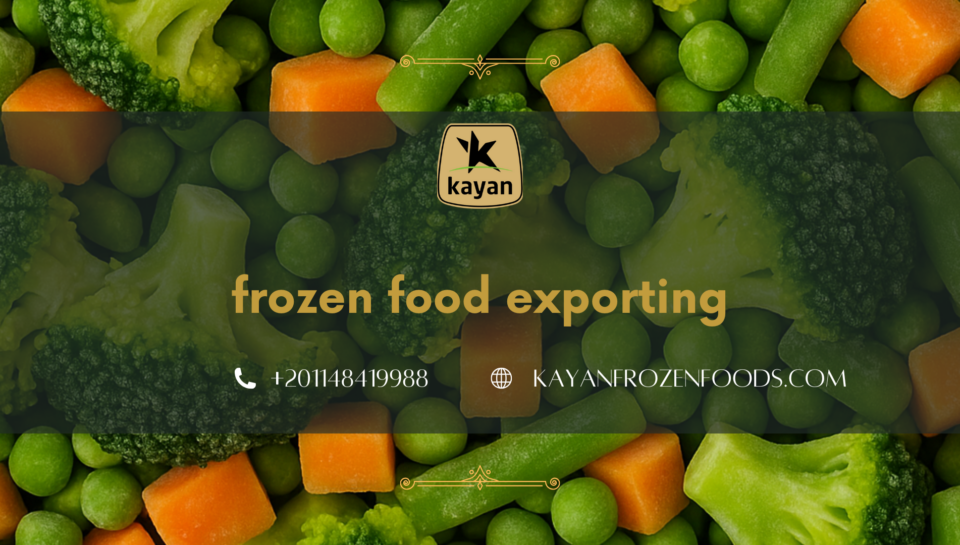
Products such as peas, carrots, beans, and mixed frozen food vegetables are among the most traded items globally.
Frozen Fruits
Strawberries, mangoes, and berries are widely exported due to high demand and versatility.
Premium Frozen Food
This category includes carefully selected produce, advanced freezing methods, and export-grade packaging designed for premium markets.
By diversifying product lines, frozen food companies can target both mass-market and premium buyers.
Key Quality Standards Required in Frozen Food
Quality is the backbone of successful frozen food . International buyers expect strict adherence to food safety standards such as:
- HACCP
- ISO certifications
- BRC or equivalent export standards
Frozen food vegetables must be processed, frozen, and stored under controlled conditions to maintain texture and nutritional value. Any fluctuation in temperature can compromise product quality and market acceptance.

Frozen Food Exporting vs Fresh Food Exporting: Which Is More Profitable?
When comparing frozen food exporting with fresh food exporting, frozen products often provide higher long-term profitability.
Fresh food is highly sensitive to transportation delays and climate conditions. In contrast, frozen food maintains quality for extended periods, reducing losses and rejected shipments.
For exporters, frozen food offers predictable margins, especially when dealing with large volumes of frozen food veg and vegetables.
How Professional Frozen Food Exporting Preserves Quality and Shelf Life
Modern freezing techniques such as IQF (Individually Quick Frozen) are essential in frozen food . These methods prevent ice crystal damage and preserve the original structure of food products.
Frozen food vegetables processed using IQF remain free-flowing, making them ideal for retail and food service applications. This technology is a key reason behind the global success of frozen food .
Common Challenges in Frozen Food Exporting and How to Overcome Them
Despite its advantages, frozen food comes with challenges:
- Cold chain interruptions
- Regulatory compliance differences
- High logistics costs
These challenges can be mitigated by working with experienced exporters who understand destination market requirements. Reliable frozen food companies invest heavily in temperature monitoring, compliance systems, and logistics partnerships.
Certifications and Compliance Needed for Successful Frozen Food Exporting
Certifications are not optional in frozen food . Importing countries require documented proof of food safety, hygiene, and traceability.
Exporters dealing in frozen foods vegetables and premium frozen food must meet both local and international compliance standards. This ensures smoother customs clearance and stronger buyer confidence.
Logistics and Cold Chain Management in Frozen Food Exporting
Cold chain logistics are the backbone of frozen food . From processing plants to shipping containers, temperature consistency must be maintained at every stage.
Advanced monitoring systems allow exporters to track frozen food shipments in real time. This level of control is essential for preserving frozen food quality and meeting buyer expectations.

How to Choose the Right Frozen Food Exporting Partner
Choosing the right frozen food partner can determine the success of your supply chain. Buyers should look for:
- Proven export experience
- Product consistency
- Transparent communication
- Ability to supply frozen food vegetables at scale
A reliable partner reduces risk and ensures long-term cooperation.
Why Kayan Is a Trusted Name in Frozen Food
Kayan has established itself as a reliable player in frozen food exporting by focusing on quality, compliance, and customer satisfaction.
With a strong product portfolio that includes frozen food vegetables and premium frozen food options, Kayan supports international buyers with tailored export solutions. The company’s commitment to strict quality control and cold chain excellence makes it a preferred choice in global markets.
How to Start Frozen Food Exporting With a Reliable Supplier
Starting in frozen food requires the right supplier, clear specifications, and market understanding. Buyers should define their target market, required certifications, and volume expectations.
Working with experienced exporters like Kayan simplifies the process and ensures access to consistent frozen food supplies without operational complexity.
Contact Kayan for Professional Frozen Food Exporting Solutions
If you are looking for a dependable frozen food partner, Kayan offers scalable solutions designed for international trade. From frozen food vegetables to premium frozen food products, Kayan delivers quality you can trust.
Frozen Food Exporting FAQs for International Buyers
Is frozen food exporting profitable?
Yes, frozen food exporting offers stable margins and reduced losses compared to fresh food trade.
What products are most in demand?
Frozen food vegetables and premium frozen food products are among the most requested globally.
How important is cold chain management?
Cold chain management is critical to maintaining product quality and meeting import regulations.