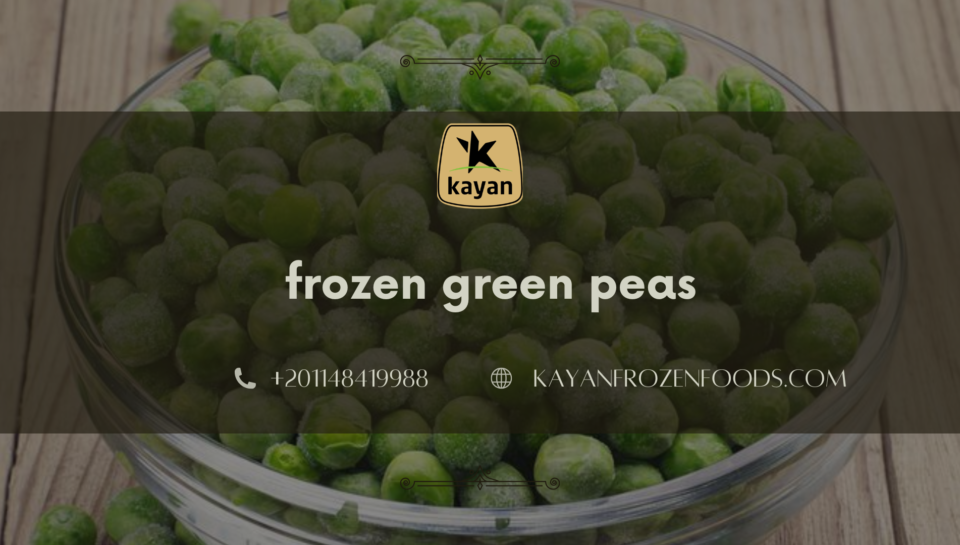
Frozen vegetables have become a staple in modern kitchens, and frozen green peas are among the most popular options. They are convenient, nutritious, and easy to prepare in a variety of meals. Whether you are cooking at home, running a restaurant, or sourcing ingredients for food manufacturing, frozen peas offer a reliable and healthy solution.
Many people today are asking questions like are frozen green peas good for you, how they compare to fresh peas, and the best ways to cook them. This guide explains everything you need to know about frozen peas, including nutrition, cooking methods, and how premium suppliers like Kayan provide high-quality frozen vegetables for global markets.
Buy Frozen Mixed Vegetables in Bulk | 100% Fresh & Natural Blend

Why Frozen Green Peas Are One of the Most Popular Frozen Vegetables
Frozen vegetables have grown significantly in popularity because they provide convenience without sacrificing nutritional value. Among these vegetables, frozen green peas stand out because of their sweet taste, versatility, and long shelf life.
One of the main reasons people choose frozen peas is accessibility. Fresh peas are seasonal and often require shelling before cooking, while frozen peas are already cleaned, processed, and ready to use. This makes them ideal for quick meals.
Another important factor is consistency. Premium suppliers freeze peas immediately after harvesting, which helps preserve their taste and nutrients. Many food companies and chefs rely on frozen peas because they maintain consistent quality throughout the year.
Brands like Kayan specialize in providing high-quality frozen vegetables, ensuring that restaurants and food manufacturers receive reliable products that meet international standards.
Are Frozen Peas as Healthy as Fresh Peas?
One of the most common questions consumers ask is whether frozen peas are as nutritious as fresh peas. The short answer is yes. In many cases, frozen vegetables retain most of their nutritional value because they are frozen shortly after harvesting.
The frozen peas nutrition profile is impressive. They are rich in plant-based protein, dietary fiber, vitamins A, C, and K, and important minerals like iron and potassium. These nutrients support immune health, digestion, and energy levels.
Another common concern is calories. The calories in frozen green peas are relatively low, making them a healthy addition to balanced diets. Typically, the calories in green peas frozen are around 80–100 calories per cup, depending on the brand and preparation method.
When comparing frozen peas calories with other vegetables, peas provide more protein and fiber than many alternatives. This makes them particularly useful for people looking for nutritious plant-based ingredients.
Overall, research shows that freezing vegetables helps preserve nutrients, meaning frozen peas can be just as healthy as fresh peas when stored and cooked properly.
Premium Frozen Food Vegetables Exporter You Can Trust | Kayan Foods
Best Ways to Cook Frozen Green Peas for Maximum Flavor
One of the greatest advantages of frozen green peas is how easy they are to cook. They require minimal preparation and can be added to many dishes in just a few minutes.
How to Cook Frozen Peas on the Stovetop
The most traditional method is boiling or sautéing. To how to cook frozen green peas on the stovetop, simply add them to boiling water for 2–3 minutes until tender. After draining, they can be seasoned with butter, olive oil, salt, and herbs.
Many people searching for how to cook frozen peas prefer sautéing them in a pan with garlic and olive oil. This method enhances their natural sweetness and creates a delicious side dish.
Discover the Best Frozen Vegetables for Global Markets – Kayan Foods

Microwave Frozen Peas for Quick Meals
For faster preparation, you can cook microwave frozen peas in just a few minutes. Place the peas in a microwave-safe bowl with a small amount of water, cover, and heat for about 2–3 minutes.
This method works well for busy households because microwave peas maintain their texture and flavor while saving time.
Adding Frozen Green Peas to Everyday Recipes
Another great option is adding frozen peas directly into soups, rice dishes, pasta, and stir-fries. Because they cook quickly, they can be added during the final minutes of cooking.
If you’re wondering how do you make peas taste better, try seasoning them with herbs like mint, parsley, or dill. These flavors complement the natural sweetness of peas and elevate simple recipes.
Discover Top 4 Frozen Vegetable Recipes Your Customers Will Love Powered by Kayan Foods
Delicious Recipes Using Frozen Green Peas
The versatility of frozen green peas makes them ideal for a wide variety of dishes. They can be used in both traditional recipes and modern healthy meals.
Pasta Dishes with Frozen Peas
Creamy pasta dishes often include frozen green peas for extra flavor and color. Adding peas to pasta with garlic, parmesan cheese, and cream creates a balanced and satisfying meal.
Rice and Grain Bowls
Another popular way to use frozen peas is in rice or grain bowls. Mixing peas with brown rice, quinoa, or couscous adds texture and nutrients to the dish.
Soups and Comfort Meals
Many chefs also use frozen green peas to prepare creamy soups. A simple pea soup made with onions, garlic, vegetable broth, and blended peas creates a nutritious and comforting meal.
These recipes show how frozen peas can transform simple ingredients into flavorful dishes.
Frozen Green Peas vs Fresh Peas
Many consumers wonder whether fresh peas are better than frozen ones. In reality, both options have advantages depending on the situation.
Fresh peas offer a slightly different texture and are often used in seasonal dishes. However, they spoil quickly and require preparation.
On the other hand, frozen green peas are harvested at peak ripeness and frozen immediately, which helps preserve flavor and nutrients. Because of this process, many nutrition experts consider frozen peas a practical and healthy alternative to fresh peas.
Another advantage is storage. Frozen vegetables can last several months in the freezer, making frozen peas a convenient option for long-term use.
Discover Pea Frozen for Global Markets | Premium Export by Kayan

How to Choose High-Quality Frozen Green Peas
When purchasing frozen vegetables, quality matters. High-quality frozen green peas should have a bright green color and firm texture.
Consumers should check packaging labels to ensure the peas were processed and frozen quickly after harvesting. This helps preserve nutrients and flavor.
Organic options are also becoming more popular. Organic peas are grown without synthetic pesticides and are often preferred by health-conscious consumers.
Reliable suppliers like Kayan focus on strict quality control standards to produce premium frozen vegetables. Their expertise in sourcing and processing ensures that frozen peas meet international food safety and export requirements.
Why Global Food Businesses Use Frozen Green Peas
Food manufacturers, restaurants, and catering companies rely heavily on frozen peas because of their consistency and convenience.
Large food companies require ingredients that are available year-round and maintain consistent quality across batches. This is why frozen green peas are commonly used in ready meals, soups, and frozen food products.
Suppliers like Kayan support the global food industry by exporting high-quality frozen vegetables that meet the needs of international markets. Their commitment to quality ensures that businesses receive reliable products for large-scale food production.
FAQ
Are frozen green peas good for you?
Yes. Frozen green peas are rich in fiber, vitamins, and plant-based protein, making them a nutritious choice for balanced diets.
How to cook frozen green peas quickly?
The fastest method is using microwave frozen peas or boiling them for a few minutes until tender.
Do frozen green peas lose nutrients?
Freezing preserves most nutrients, so frozen green peas nutrition remains similar to fresh peas.
Are frozen green peas high in calories?
No. The calories in frozen green peas are relatively low, typically around 80–100 calories per cup.
Conclusion
In today’s fast-paced world, frozen peas offer the perfect combination of convenience, nutrition, and versatility. They can be used in countless recipes, from simple side dishes to soups and pasta meals.
Because they are harvested and frozen at peak ripeness, frozen green peas maintain their flavor and nutritional value. Their long shelf life and easy preparation make them ideal for both households and professional kitchens.
With trusted suppliers like Kayan, consumers and businesses can access premium frozen vegetables that meet global quality standards. Whether you are cooking at home or sourcing ingredients for food production, frozen peas remain one of the healthiest and most practical frozen foods available.